Source Empire Waist Skirt for Daily, Party, and Office Wear
Explore 30 options for the empire waist skirt, featuring diverse styles like A-line and loose fits. Compare attributes including material, color, and customization to find the right supplier for your needs; compare the available evidence and request quotations based on your requirements.
Key considerations
Products List







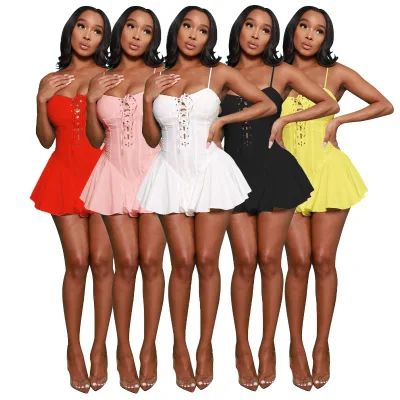
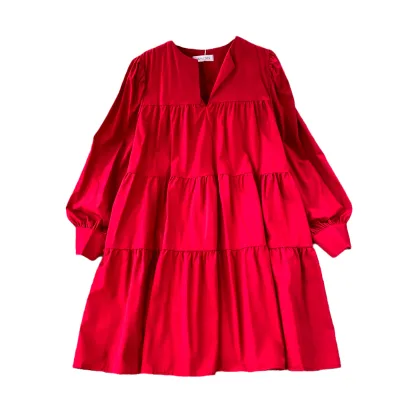
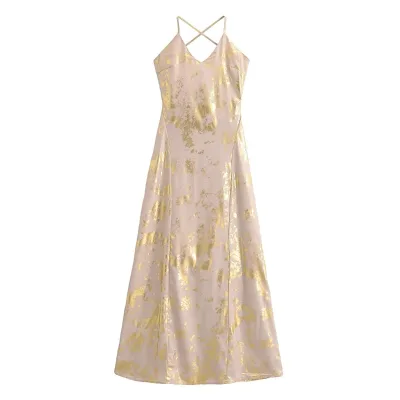
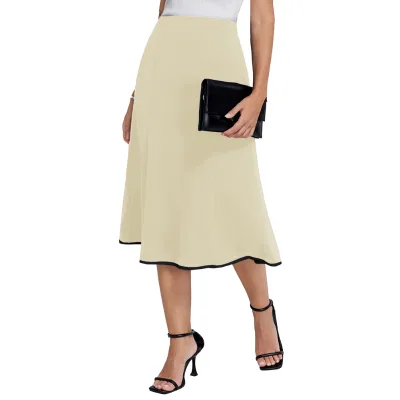


Comprehensive Sourcing Guide
Empire Waist Skirt Sourcing Guide
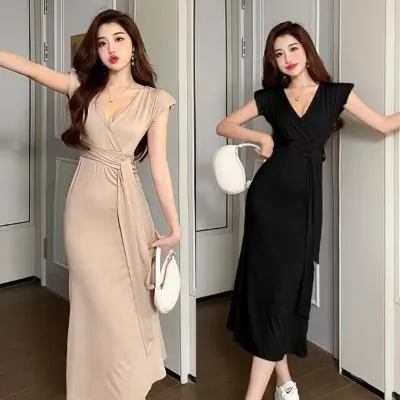
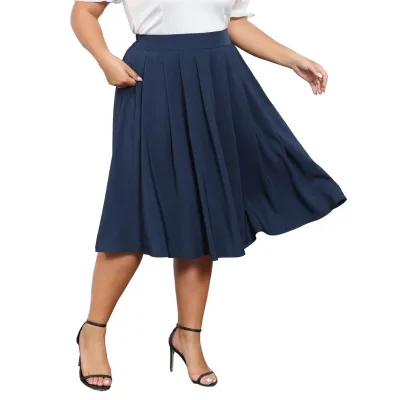
The empire waist skirt represents a distinct silhouette where the waistline sits just below the bust, creating a flowing, elongated effect that is particularly popular for spring and summer collections. Based on observed market data, these garments frequently appear in styles described as loose, sweet, or elegant, often utilizing satin or polyester fabrics to achieve a soft drape. Buyers should note that while some listings specify a knee-length cut, others may vary, so verifying the exact hem shape and length against the specific design brief is critical before placing an order.
Procurement strategies for this category must account for the diverse range of available colors and patterns, which include solid options like black, pink, and blue, as well as floral prints and digital graphic designs. The observed product attributes indicate a strong presence of sleeveless or short-sleeve variations, with some models featuring V-necks and elastic waists to enhance comfort. Sourcing teams should prioritize suppliers who can demonstrate consistency in fabric weight, typically around 300 grams, to ensure the garment maintains its intended structure without becoming too heavy or too sheer for the target season.
Product Scope and Observed Listing Signals
When evaluating product listings, buyers must distinguish between the specific model numbers and their corresponding design features, as the market contains distinct variations such as the BD-DS-272 and BD-DS-288. The BD-DS-272 model is characterized by a fishtail skirt hem and an A-line silhouette, whereas the BD-DS-288 variant features an empire waist cut with a regular fit and short sleeves. This divergence in specifications means that a single search term can yield products with fundamentally different silhouettes, requiring careful cross-referencing of the model number with the visual description to avoid procurement errors.
The observed inventory signals reveal a mix of supply types, ranging from in-stock items to customizable orders, which directly impacts lead time and inventory planning. While some products are listed with a single package size of 12.5x10x10 cm, others may require larger packaging dimensions of 15x10x10 cm, affecting shipping costs and container utilization. Buyers should verify whether the supplier supports sample orders, as the data indicates that some specific models do not support a seven-day sample lead time, which could delay the validation of the empire waist construction and fabric quality before mass production begins.
Technical Specifications to Verify
Fabric composition and construction methods are paramount when sourcing empire waist skirts, as the listed materials range from polyester to satin with knitted weaving methods. The presence of a polyester lining and specific fabric weights suggests that the garment's drape and breathability are key performance indicators that must be tested against the intended use case. Buyers should explicitly request fabric swatches to confirm the claimed weight of 300 grams and verify the anti-wrinkle and breathable features, ensuring the material performs well in daily wear scenarios without excessive maintenance.
Detailed construction attributes such as neckline, sleeve style, and waistline elasticity must be confirmed against the technical drawing to ensure the final product matches the design intent. The observed data highlights variations in necklines, including V-necks, and waistlines that utilize elastic construction for a comfortable fit. Additionally, the hem shape is a critical differentiator, with some products featuring a fishtail cut while others maintain a standard A-line or loose silhouette. Procurement teams must validate these structural elements to prevent discrepancies between the ordered sample and the bulk shipment, particularly regarding the fit classification of skinny versus regular.
Compliance and Safety Documentation
Safety compliance is a non-negotiable aspect of sourcing, with specific indicators such as needle detection being a mandatory verification step for all finished garments. The presence of a needle detection attribute in the product data suggests that the manufacturing facility employs metal detection protocols to ensure no sharp objects remain within the finished skirt, a critical safety feature for consumer protection. Buyers should request proof of this needle detection process and verify that the facility maintains a documented quality control system that covers the entire production line from cutting to final packaging.
Chemical safety and material certifications are equally important, especially given the use of heat-transfer printing and digital printing methods for logos and graphic designs. While the provided facts do not list specific chemical test reports, the reliance on printed decorations necessitates that the supplier provides evidence of compliance with relevant textile safety standards for the target market. Procurement teams must ensure that the printing inks and dyes used for the floral prints or solid colors do not contain prohibited substances, and that the anti-static and washable claims are backed by laboratory test results rather than unverified marketing statements.
Cost Drivers and Commercial Terms
The commercial landscape for empire waist skirts is influenced by a wide range of minimum order quantities, observed between one and 500 units, which allows for flexibility in both trial runs and bulk procurement. The price range of 2.85 to 46.47 USD reflects significant variation based on fabric quality, design complexity, and the inclusion of customization services such as customized logos. Buyers should analyze the cost structure carefully, as the lower price points may correspond to standard in-stock items, while higher prices likely reflect the added value of custom branding, specific fabric weights, or complex printing techniques like heat-transfer printing.
Lead times and sample policies are critical cost drivers that can impact the overall project timeline and cash flow. The observation that some models do not support a seven-day sample order lead time indicates that certain suppliers may have longer production cycles or stricter policies for custom work. Sourcing teams must clarify the exact lead time for both samples and bulk orders, as well as the terms for customization, to avoid unexpected delays. Understanding the relationship between the selling unit, which is often a single item, and the bulk pricing tiers is essential for accurate budget forecasting and margin analysis.
Supplier Qualification and Quality Control
Supplier qualification should focus on verifying the origin of goods and the consistency of their manufacturing processes, as the observed data points to China as the primary place of origin. Buyers must assess the supplier's ability to maintain the specific attributes listed, such as the single gross weight of 0.250 kg to 0.300 kg, which indicates a standardized packaging and production process. It is advisable to request a factory audit or video tour to confirm that the facility has the capacity to handle the specific weaving methods and printing techniques required for the empire waist skirt designs.
Quality control protocols must be established to ensure that the final product matches the observed attributes regarding style, fit, and decoration. The variety of styles listed, including sweet, cute, sexy, and elegant, requires a rigorous inspection process to ensure the garment meets the specific aesthetic expectations of the target demographic. Buyers should implement a pre-shipment inspection that checks for defects in the digital printing, the integrity of the elastic waistline, and the accuracy of the hem shape. Additionally, verifying the anti-static and breathable features through random sampling can help maintain the high standards expected for daily wear apparel.
Long-Term Procurement Checks
Sustaining a successful supply chain for empire waist skirts requires ongoing monitoring of supplier performance against the initial technical specifications and quality benchmarks. Buyers should track the consistency of fabric types, such as the transition between polyester and satin, and ensure that the color variations like taro purple or rose purple remain consistent across different production batches. Regular quality audits and feedback loops are essential to maintain the integrity of the product attributes, particularly the fit and silhouette, which are critical for customer satisfaction in the fashion sector.
Strategic planning for long-term procurement involves evaluating the supplier's ability to adapt to seasonal trends and changing consumer preferences. The observed data shows a focus on spring and summer seasons, but buyers should assess the supplier's capacity to expand into all-season offerings if market demand shifts. Maintaining a relationship with a supplier who offers customization and has a proven track record of needle detection and safety compliance will provide a competitive advantage. Continuous communication regarding design updates, material availability, and production capacity will ensure that the empire waist skirt line remains responsive to market dynamics.
FAQs
What materials are used for empire waist skirts?
Empire waist skirts are typically crafted from polyester fabric with a satin finish. The material is knitted and features a weight of 300 grams. This construction ensures the garment is breathable, anti-static, and anti-wrinkle. The lining is also made of polyester, providing comfort and durability for daily wear across all seasons.
Can I customize the logo on these skirts?
Yes, customized logos are available for these empire waist skirts. The logo position is typically on the front of the garment. Digital printing is used for graphic designs, allowing for clear and durable branding. This customization option supports various business needs, ensuring your brand identity is prominently displayed on the final product.
What sizes are available for empire waist skirts?
Standard sizes available include S, M, L, and XL. The fit is described as regular or skinny depending on the specific model. The waistline features an elastic design for comfort. These sizes cater to a wide range of body types, ensuring a proper fit for daily wear and various occasions without requiring complex sizing adjustments.
How is the empire waist skirt printed?
The skirts utilize heat-transfer printing methods for patterns and designs. This technique supports floral prints, solid colors, and digital graphic designs. The printing is applied to polyester fabric, ensuring vibrant colors and durability. This method allows for detailed patterns like fishtail skirts or A-line silhouettes while maintaining the integrity of the fabric structure.
What is the lead time for sample orders?
Sample order lead time is not supported for these items. The supply type is in-stock items, which allows for faster processing of bulk orders. Buyers should check specific supplier capabilities for sample availability. This in-stock status ensures that standard production runs can proceed efficiently without waiting for initial sample creation delays.
What colors are offered for empire waist skirts?
Available colors include black, pink, coffee, taro purple, red, light blue, and rose purple. Some models also offer white, green, blue, and multicolor options. These diverse color choices allow buyers to select shades that match their target market preferences. The colors are applied using heat-transfer printing, ensuring consistent and vibrant results across all batches.